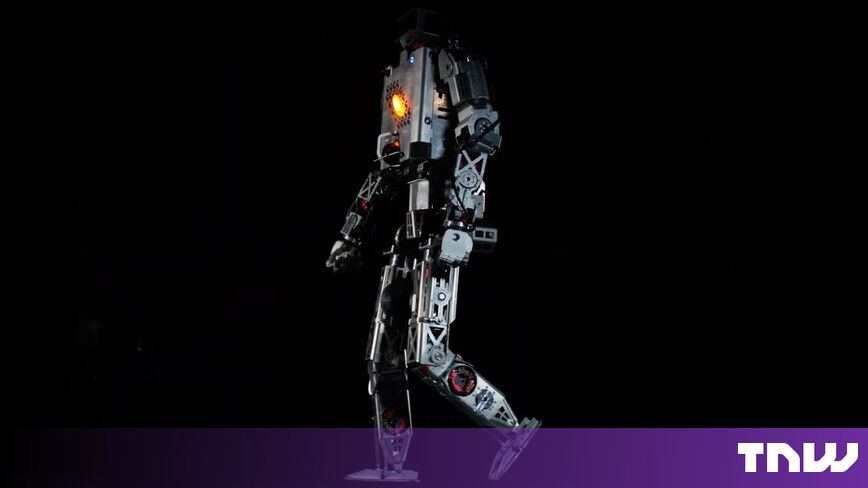
Minerva Humanoids has raised about $10M in pre-seed funding to develop humanoid robots for hazardous work. General Catalyst led the round, with Long Journey Ventures and Credo Ventures as co-leads. The funding takes Minerva out of stealth as it prepares paid pilots this autumn.
What is Minerva building?
Minerva is developing Roger, a semi-autonomous humanoid robot intended for work where people face danger. A trained specialist controls it through a VR headset and sees from the robot’s perspective. The operator performs detailed physical tasks from a safer distance, while the robot’s AI control system manages balance, recovery after falls and navigation.
How does the control system work?
The arrangement combines remote human judgement with automated movement functions. Minerva says operators can learn full-body control in minutes, although the source does not provide details about the training process. The system is designed to let a specialist carry out fine manipulation without being physically beside the robot.
Minerva is targeting offshore oil rigs, high-voltage power plants, explosive ordnance disposal (EOD) and hazardous material response. EOD refers to work involving the handling or disposal of explosive devices. The company has completed on-site testing for public safety work and is exploring deployments at two of the world’s 10 busiest airports.
What does the funding support?
The company said General Catalyst led its pre-seed round, while Long Journey Ventures and Credo Ventures served as co-leads. Hugging Face, Codecademy, RunwayVC and Compound are also among the backers named in the source. The available account gives the round size as about $10M and does not break down individual contributions.
Minerva said it moved from an idea to a walking humanoid in five months. Engineers in the US write most of its software and AI, while its first Roger prototypes are built in Germany. The company plans to build robots in both countries and says it intends to avoid dependence on single-source Chinese components.
The company estimates that about 7,000 energy workers die on the job each year. Its estimate applies the International Labour Organization’s global rate of fatal work accidents to the 76 million energy workers counted by the International Energy Agency. Those figures are the company’s calculation as described in the source, rather than independently verified totals in the material provided.
What remains unclear before pilots?
Minerva says it will start its first paid pilots this autumn, but the source does not name customers or specify pilot locations. It also does not state how many robots will be involved, the length of the trials or what results would count as success. The airport deployments remain exploratory rather than confirmed operational agreements.
The account describes earlier testing in public safety and work with research partners, but it does not give performance data from those activities. It also leaves open how the remote-control model will handle communications interruptions or operating conditions at each target site. These details may emerge as paid pilots begin.
For founders and investors, the round offers a concrete view of Minerva’s next commercial step: moving from prototype work towards paid trials. The key developments to follow are whether the pilots start this autumn and which tasks Roger performs. The source does not report customer commitments or pilot terms. Minerva’s stated plans therefore remain subject to what those trials establish.