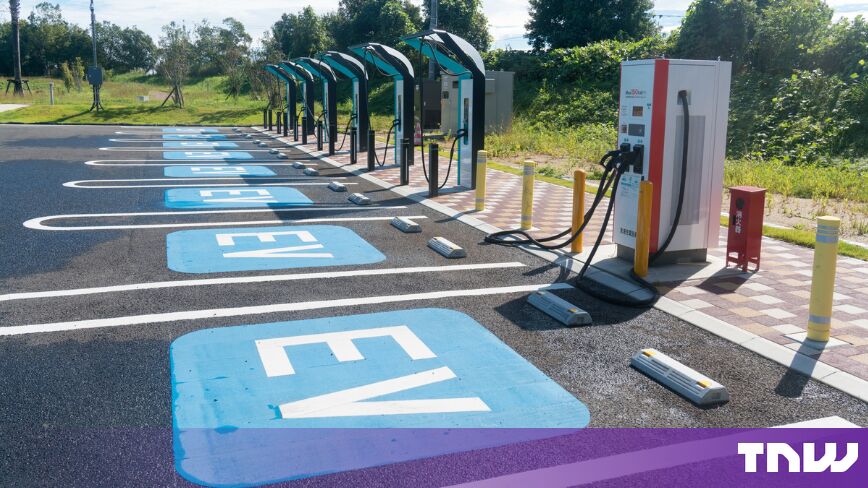
Battery-electric sales in the EU reached 1.64 million during the first eight months of 2026, up 45%, according to the source report. At the same time, Transport and Environment says a proposed change to the 2035 target could cut sales of models under EUR 25,000 by nearly three quarters by 2030. The sales figure is reported market data; the projected decline is the organisation’s modelling.
What change is being proposed?
The proposal comes from Massimiliano Salini, Parliament’s rapporteur and a Forza Italia member, according to the source. He wants the 2035 target set at a 90% cut rather than an end to combustion, which is the Commission’s position. His version would treat cars running only on renewable fuels as equivalent to battery-electric cars. It would also extend the compliance period from three years to five.
Why focus on models under EUR 25,000?
Transport and Environment counts 16 models under EUR 25,000 expected on sale by the end of 2026. That is twice last year’s number, according to the organisation. It also says sales of those cars are on course to reach seven times their 2024 level. The lower-priced category is therefore the specific part of the market covered by the nearly three-quarters forecast.
What does the modelling predict?
For the Salini version, Transport and Environment projects battery-electric cars at 22% of the market in 2030, unchanged from today, and 39% in 2035. Under the Commission’s position, the model gives 47% in 2030 and 85% in 2035. The group also projects that European carmakers would sell about 5.7 million battery cars in 2035 under Salini’s version. Its estimate for Chinese carmakers in that scenario is 11.9 million.
Those figures are scenarios from Transport and Environment, not confirmed future results. The source describes the nearly three-quarters reduction as a modelled effect on sales of cheaper cars by 2030. It does not provide a separate forecast for each of the 16 models. Readers should distinguish the observed increase in current sales from these estimates about what a revised target might do.
What do current sales and compliance show?
Transport and Environment reports a 22% battery-electric share across the EU in the first eight months and 28% in August. France reached 38% in August, while Germany reached 32%. The source also reports that the EU total reached 1,641,333 registrations and a 21.7% share in September, when battery-electric cars drew level with petrol for the year. These are reported figures for different time periods and measures.
On compliance, carmakers have closed three quarters of the gap to the 2025 to 2027 targets halfway through the period, according to the source. Transport and Environment expects all of them to comply. BMW, Stellantis, Kia and the Mercedes-Volvo pool are already there, while Volkswagen has about 7 grams of CO2 per kilometre left to find. The source presents this record as evidence relevant to the argument over easing the targets.
The available material does not say when Parliament will decide on the proposal or what final wording will be adopted. Future sales data can show whether the cheaper model segment continues expanding, but cannot establish the proposal’s eventual effect before a decision. The forecast remains attributed to Transport and Environment. The target’s final terms and later market outcomes are the next facts to watch.